Driveway materials
Tarmac & gravel driveways
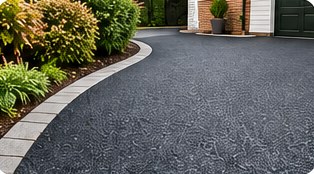
What is tarmac?
Tarmac (asphalt) is a mix of stone and bitumen laid hot and rolled flat. It's a common choice for busy driveways because it's strong and quick to lay.
Pros
- Pro: Cost-effective for larger areas
- Pro: Strong and hard-wearing
- Pro: Quick to lay
- Pro: Clean, simple finish
Cons
- Con: Standard tarmac isn't permeable – it needs proper drainage
- Con: Plainer look than resin or block paving
- Con: Can soften in very hot weather
- Con: Patches can be visible
Planning and drainage
Standard tarmac is impermeable, so in a front garden it needs to drain to a lawn, border or soakaway, or you'll need planning permission. Porous tarmac is available – ask installers.
How long does it last?
Properly laid tarmac on a good base can last many years. Ask each installer what guarantee they give – it's a good sign of the quality they expect.
What is gravel?
A gravel driveway is a layer of loose stone on a compacted base, usually with a weed membrane and edging to hold it in place. Gravel grids can stop it moving around.
Pros
- Pro: Usually the lowest-cost option
- Pro: Naturally permeable
- Pro: Quick to install
- Pro: Crunch underfoot can deter intruders
Cons
- Con: Stones scatter and can be carried indoors
- Con: Can form ruts without grids or regular raking
- Con: Harder going for buggies and wheelchairs
- Con: Needs topping up over time
Planning and drainage
Gravel is permeable, so it doesn't normally need planning permission in a front garden.
How long does it last?
The base can last a long time; the gravel itself needs raking and topping up now and then. Ask each installer what guarantee they give – it's a good sign of the quality they expect.
The front garden planning rule
In England, if you pave more than 5 m² of front garden with an impermeable surface that drains onto the road, you need planning permission. Permeable surfaces – or impermeable ones that drain to a lawn or border – don't need it.
Source: Planning Portal – paving your front garden (last checked 14 November 2026). Rules differ for listed buildings, conservation areas and flats.
Frequently asked questions
Which is cheaper, tarmac or gravel?
Gravel usually costs less. The price ranges on this page come from typical local installer prices – your quote may differ.
Do I need planning permission for a tarmac driveway?
In a front garden over 5 m², standard tarmac needs to drain to a lawn, border or soakaway on your property – otherwise you'll need planning permission. Gravel is permeable, so it normally doesn't.
How do I stop gravel moving around?
Ask your installer about gravel grids – honeycomb panels that hold the stones in place – and solid edging.
Ready to get started?
Get an instant price estimate and be matched with up to 3 vetted local installers.